
Git Update Repository
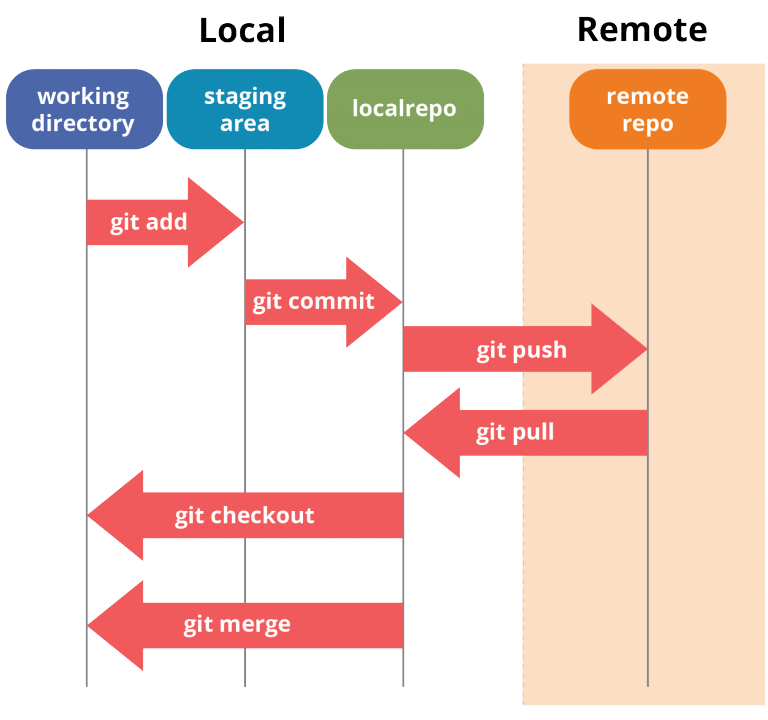
Git Update Repository - However, you may want to use git fetch instead. This process is typically performed with the `git pull` command, which is a combination of `git fetch` and `git merge`. Git pull is the most common way to update your repository. Replace with your branch. Select git | fetch in the main menu. Here's how to use the command:
Web to update your local repository with remote repository you can use. If you haven't made any changes locally, you can use git pull to bring down any new commits and add them to your master. Git pull is the most common way to update your repository. Web git merge will update your current branch with any new commits on the remote tracking branch. Web this is a safe way to get an update of all changes to a remote repository.

git update repository YouTube
One reason to do this may be that you expect conflicts. Push changes from local repo to your fork on github.com ( git push origin master) update the central repo from your fork ( pull request) repeat. Else if you want to update a specific branch you can use. Web if you already have a local repository with a remote.

Work in Your Local Git Repository Manage Your Code Project With Git
However, you may want to use git fetch instead. Web this is a safe way to get an update of all changes to a remote repository. Learn to work with your local repositories on your computer and remote repositories hosted on github. Web to update your local repository with remote repository you can use. Push changes from local repo to.

Git Fetch Vs Pull Version Control What Is The Difference Between Gambaran
Web git merge will update your current branch with any new commits on the remote tracking branch. Web update your local repo from the central repo ( git pull upstream master ). Web to update your local repository with remote repository you can use. If you haven't made any changes locally, you can use git pull to bring down any.

How To Update Git Repository
Web updating your git repository involves fetching the changes from the remote repository and merging them into your local one. This process is typically performed with the `git pull` command, which is a combination of `git fetch` and `git merge`. However, you may want to use git fetch instead. Git pull is the most common way to update your repository..
Images of Git JapaneseClass.jp
Replace with your branch. Otherwise, you can always add a new remote and then fetch. Web to update your local repository with remote repository you can use. If you haven't made any changes locally, you can use git pull to bring down any new commits and add them to your master. Web updating your git repository involves fetching the changes.
Git Update Repository - Else if you want to update a specific branch you can use. Web to update your local repository with remote repository you can use. Select git | fetch in the main menu. However, you may want to use git fetch instead. Replace with your branch. Alternatively, open the branches popup and click in the upper right corner.
One reason to do this may be that you expect conflicts. There are two ways to fetch changes from the upstream: However, you may want to use git fetch instead. Web update your local repo from the central repo ( git pull upstream master ). If you haven't made any changes locally, you can use git pull to bring down any new commits and add them to your master.
There Are Two Ways To Fetch Changes From The Upstream:
Here's how to use the command: Web this is a safe way to get an update of all changes to a remote repository. The git pull command first runs git fetch which downloads content from the specified remote repository.</p> Web git merge will update your current branch with any new commits on the remote tracking branch.
Web If You Already Have A Local Repository With A Remote Url Set Up For The Desired Project, You Can Grab All The New Information By Using Git Fetch *Remotename* In The Terminal:
Otherwise, you can always add a new remote and then fetch. Web getting started with git / manage remote repositories. However, you may want to use git fetch instead. Web update your local repo from the central repo ( git pull upstream master ).
This Process Is Typically Performed With The `Git Pull` Command, Which Is A Combination Of `Git Fetch` And `Git Merge`.
Web we'll assume that you want to update your master branch. Web to add a new remote git repository as a shortname you can reference easily, run git remote add : Else if you want to update a specific branch you can use. Web to update your local repository with remote repository you can use.
Web Updating Your Git Repository Involves Fetching The Changes From The Remote Repository And Merging Them Into Your Local One.
Push changes from local repo to your fork on github.com ( git push origin master) update the central repo from your fork ( pull request) repeat. Make edits, save, git add, and git commit all in your local repo. One reason to do this may be that you expect conflicts. Learn to work with your local repositories on your computer and remote repositories hosted on github.